COCOK! explores how one navigates their identity within the spectrum of halal and haram, a heated topic of conversation in the Malay-Muslim community.
According to the Islamic law, Halal is a term used to refer to an act, object or consumption that is permissible. Haram is the opposite of Halal, which translates to unlawful or forbidden.
We want people to have conversations surrounding the concept of halal and haram, and to look beyond face value because things are not all black and white. These grey areas are often misinterpreted, reinterpreted and misconstrued perceptions in the name of religion and culture, delving into the nuances of the in between.
Thus, this project serves to challenge and shift perceptions about the Malay-Muslim identity by applying various methods of visual communication, focusing mainly on hijabi women who values and adopts both a secular and Islamic way of life.


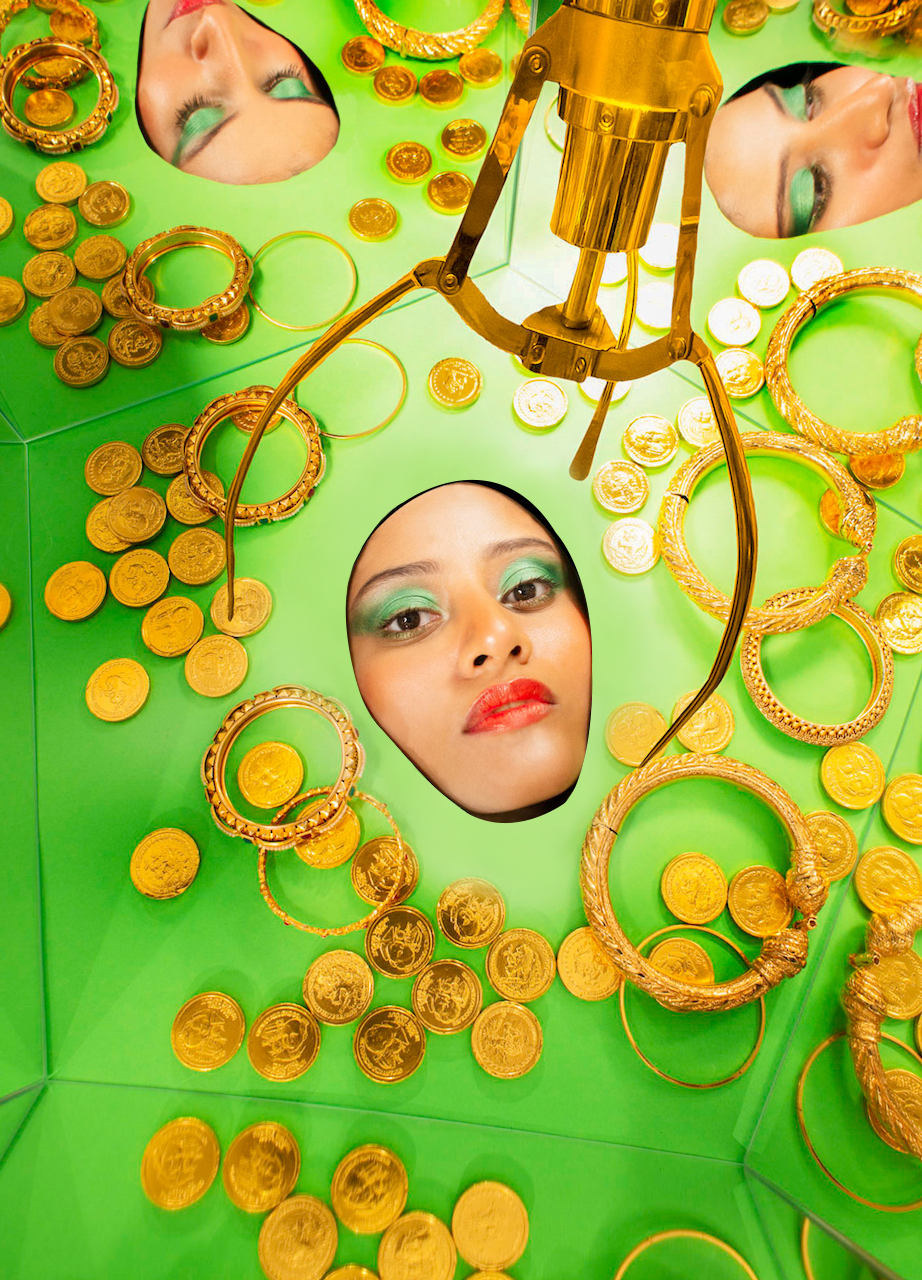
“You can’t win if you don’t gamble.”
Under the Syaria law*, gambling is seen as forbidden, such as betting on an uncertain outcome or to be involved in a game of stakes. But what about Lucky Draws and Claw Machines at arcade centres? Are these instances considered haram (forbidden) as well?
Where do we draw the line between what is halal and what is haram?
In The Holy Quran, gambling is described as an “abomination of Satan’s handiwork.” An injustice act that can cause one to be addicted, that could lead to envy, laziness, greed and dissatisfaction.
* Syaria law is an Islamic religious law that lays down governing principles and jurisdiction that must be adhered by Muslims.

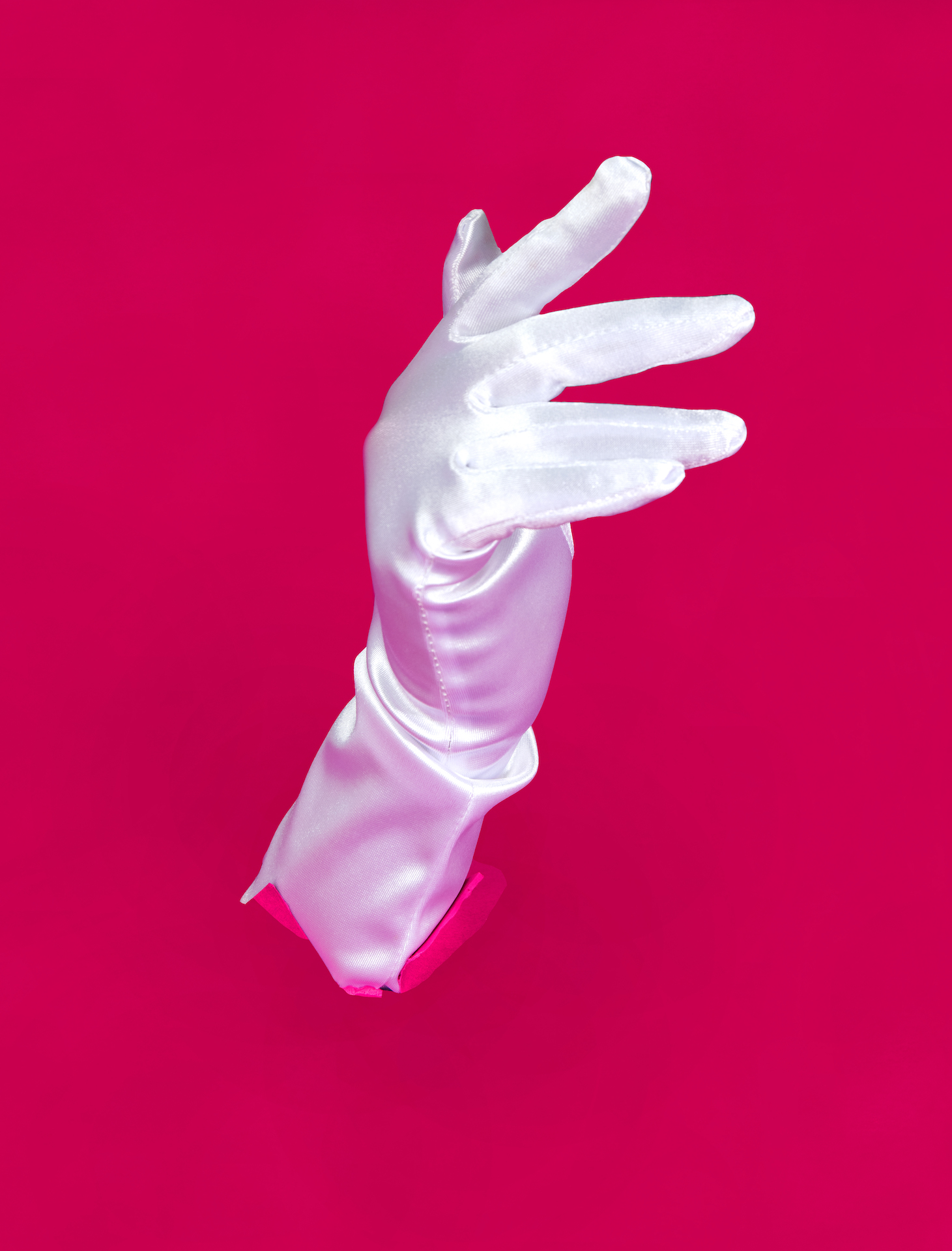
In Singapore, there has been an ongoing debate that Muslims are not allowed to celebrate Christmas. Even wishing the Christian community a “Merry Christmas” is tantamount to blasphemy. However, some Muslims are opposed to such mindset and rather share the happiness as the Qur’an teaches us to live together in peace and harmony despite differing faiths and beliefs.
Exchanging gifts with non-Muslims is part of fostering good social relationships with people of other faiths, a practice highly encouraged in Islam by the Prophet himself.
Taking part in the celebration or wishing them happiness does not necessarily mean that we accept their beliefs as part of ours. What is important is our clear intention and purpose: to co-exist and maintain good relations so that we could all live in harmony and peace.

Minah Motor Pakai Tudung are hijabi women who owns and rides a motorcycle. In the Malay-Muslim community, hijabi women who are motorcycle enthusiasts are highly discouraged or disapproved from riding a bike due to the perception that it is immodest and improper.
These underlying gender issues and perception that people in society are often ‘fed’ with, had more to do with predominant cultural practices and so little to do with the religion of Islam.
These women are being labeled as rebellious and culturally inappropriate, thus making riding for women frowned upon in the community.
Is this haram in the eyes of the religion or in the eyes of the Malay-Muslim community?
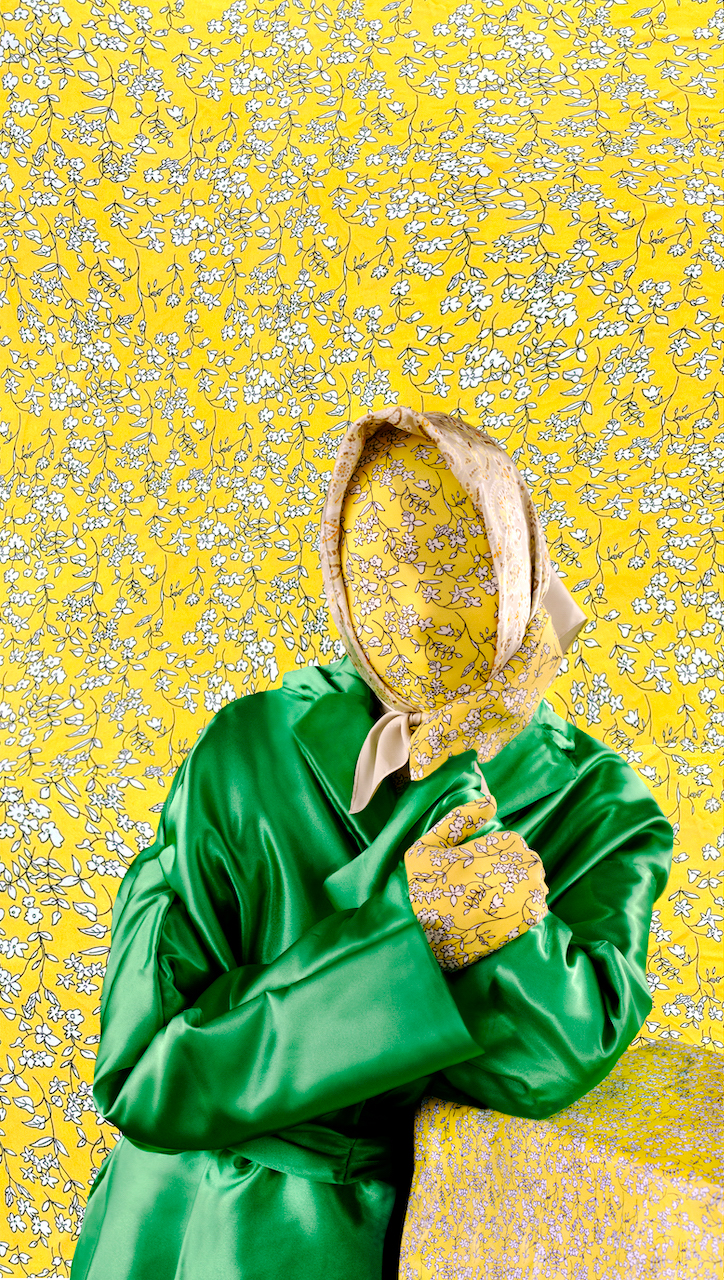

The writer wishes to remain anonymous and inspire others in similar situations.
“I was 14 years old when I first discovered that I was a lesbian. I think the signs were there earlier on but I wasn’t aware of what I was feeling at the time. All my life I have never thought of pursuing anything because at the back of my head I always knew that it was forbidden in Islam. I found out my sister was dating a woman and she was really in love despite everyone around her judging her. I realised that being in love does not matter the sexuality or gender, because love comes naturally. It's not necessarily always about the physicality of the person.
My mom suspected that I may not be straight because I am constantly around women. I will brush it off by saying that they’re just my Muslim sisters. I never wanted to open up to my parents about my identity because I didn't want them to feel that they failed as parents. To me, being Muslim and a lesbian are two separate identities that didn't go together. I tried suppressing how I felt, but the feeling wasn’t going away. When I came out to my mom, I was surprised she was not angry but a little disappointed. She didn't question why but only said that as long as I know right from wrong and that I am aware of my actions.
I know that being gay or lesbian is wrong, nothing changes that. It is not my choice to be one, I just am attracted to women. I’m not proud of being this way, but I will always put and consider my religion first. I don't question religion for it is the same as questioning our Creator. I am not afraid to come out, but because I respect my religion, I would rather keep this to myself and not offend anyone from the Malay-Muslim community. I'm still captivated by women, but I'm not proud of it for I know it is wrong and will strongly stand by it. I have no problem with LGBTQ activists either.
Don't view people based on their sexuality, just treat them with kindness, even it means to disagree with them”.
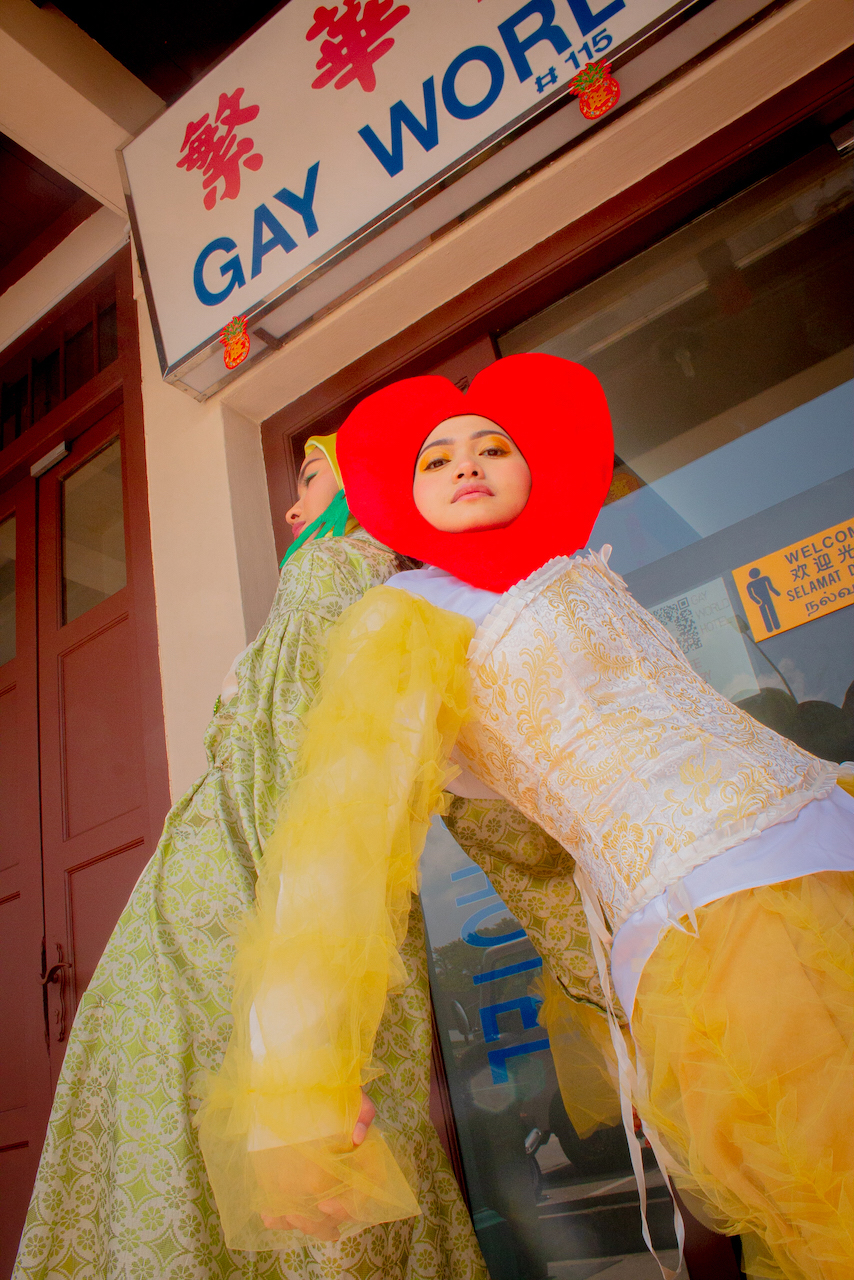

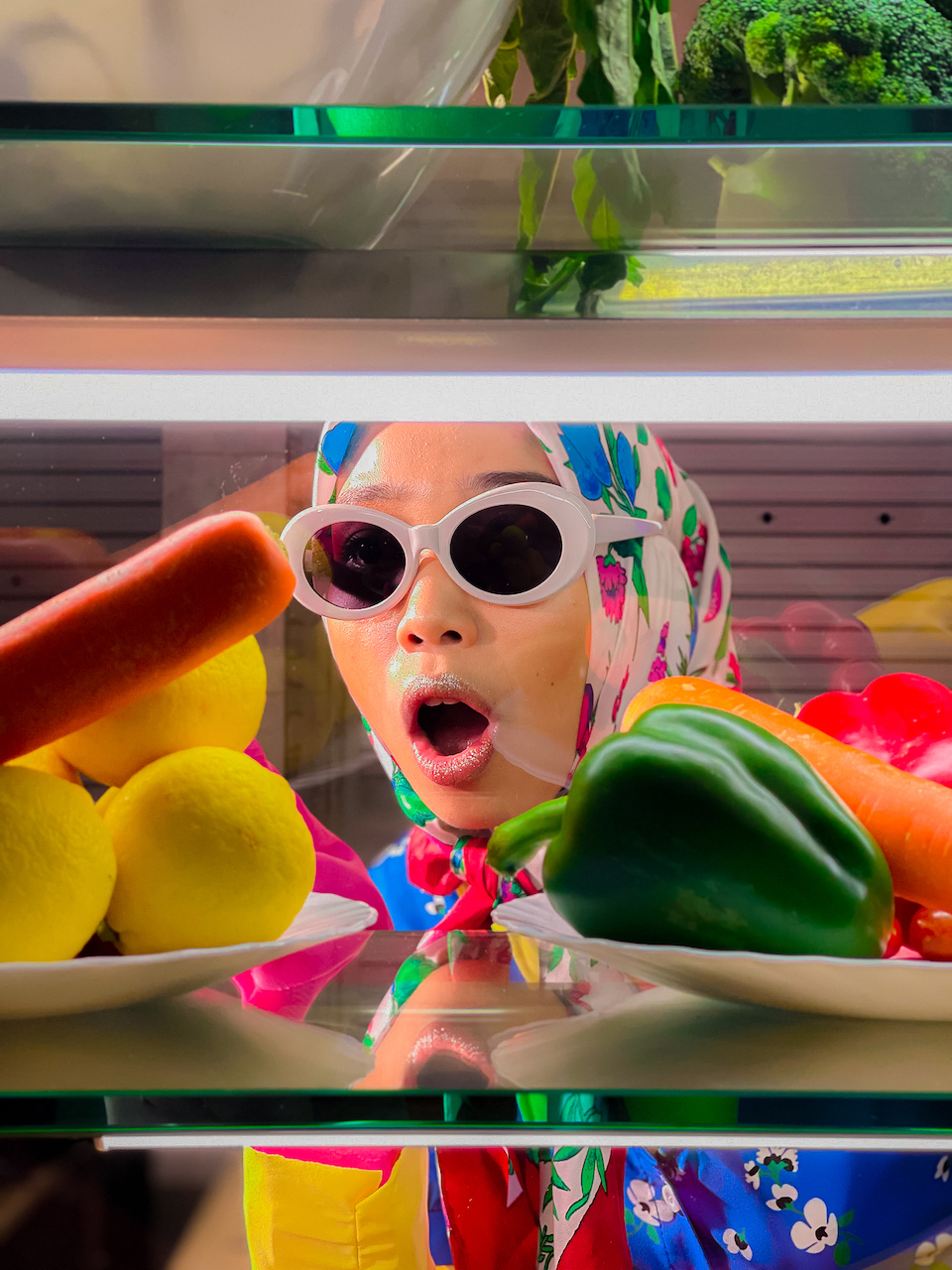
NO PORK, NO LARD: Does it make it entirely halal or does it make it entirely haram to consume?
More often than not, food establishments now deem it sufficient that the signage “No Pork, No Lard” provide Muslims an understanding that food served are Halal to consume.
This becomes a problem from the perspective of the Malay-Muslim community when hijabi women are seen to be purchasing at non-halal certified establishments with aforementioned signages which are commonly seen at a bakery or a bubble tea store.
The general consensus within the community is that one should not be patronising at such stores without the halal certification even though the food is fully prepared with halal ingredients.
The question is, is an all-vegetarian, fruit, bakery or beverage store, considered halal for Muslims to consume?

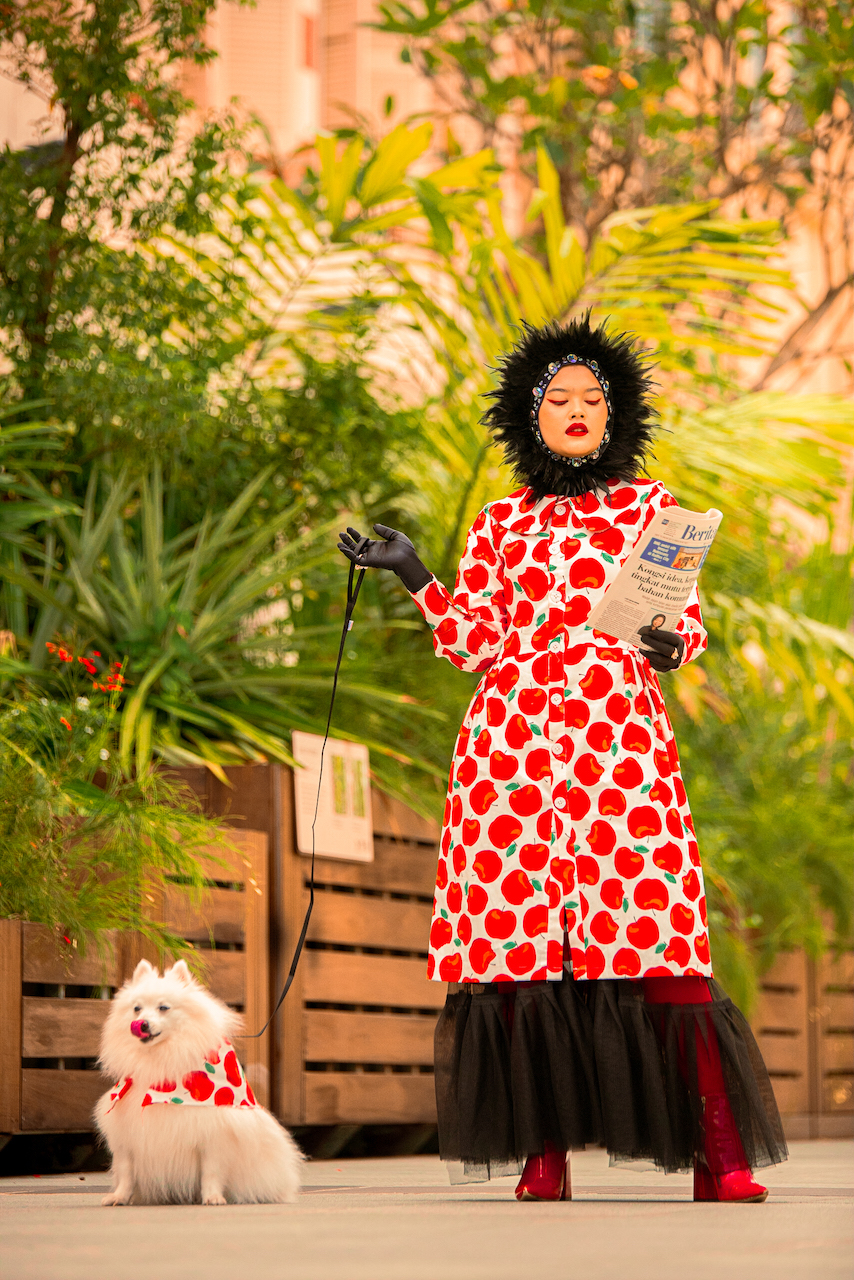
Malay-Muslim families often advised their children to not come in contact with dogs as they are considered impure. Over time, the Malay-Muslim community misinterpreted the act of touching a dog as haram.
When in contact with dog's saliva or urine, one has to be ritually cleansed with water that is mixed with ground soil. This purifying method is known as sertu in Islam.
Dogs help to serve society in many ways such as assisting the blind or in policing work. This therefore clarifies that touching a dog is not forbidden as misunderstood by some members of the Malay-Muslim community.
This scene seeks to dispel the myth within both Muslim and non-Muslim communities that it is forbidden to come into contact with dogs.

Halal party? Is there such a thing?
Parties are always associated with loud music, alcohol and socialisation between men and women – something that is strictly frowned upon by the Malay-Muslim community. But what if you can have a halal party with all the fun, without the haram aspects of it?
Having an all-female halal party strengthens the bonds of sisterhood as well. In the religion of Islam, drinking alcohol is impermissible and impure due to its intoxicating effects. However, with the existence of halal wine, it is now safe for Muslims to consume wine without going against Islamic beliefs.
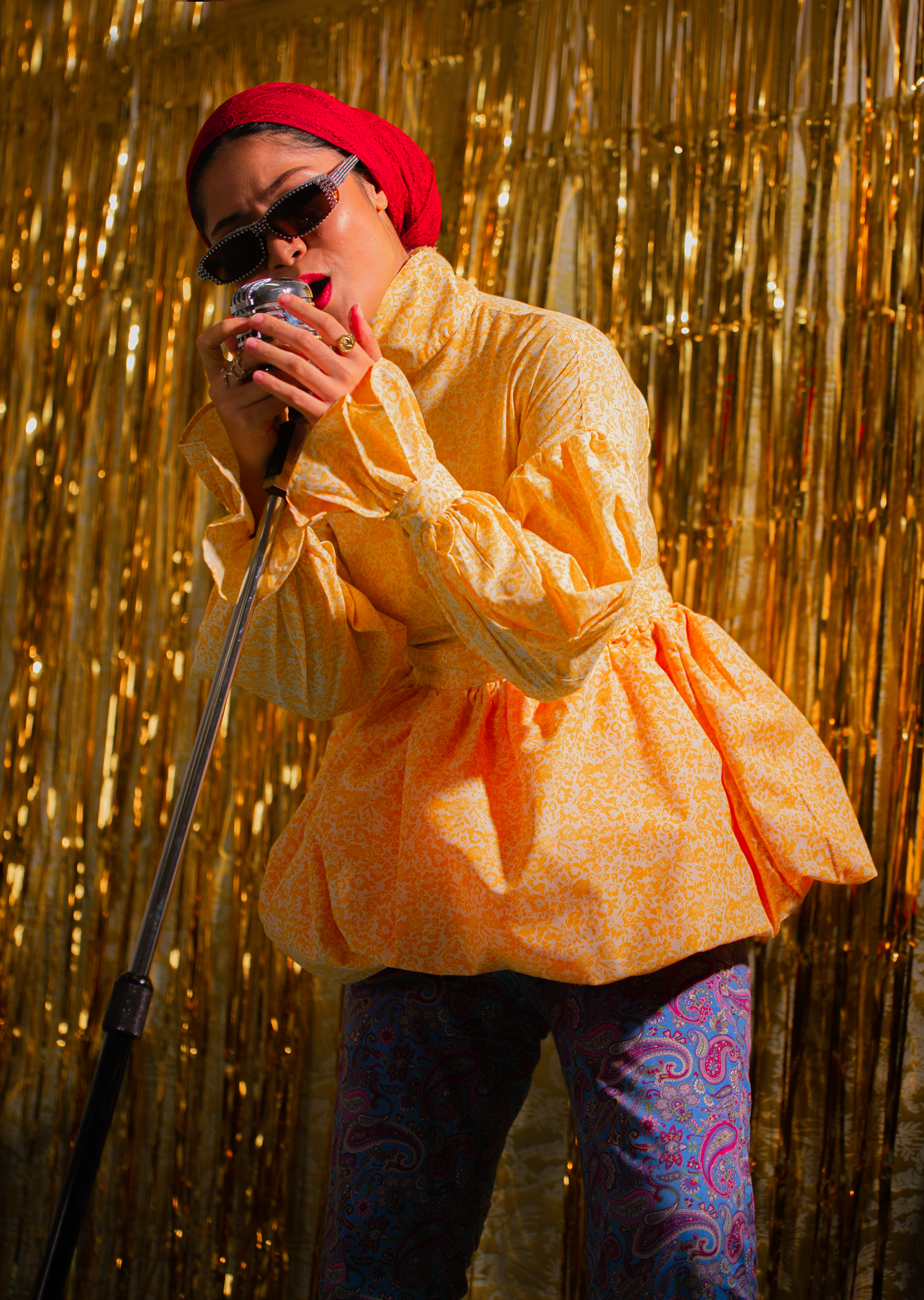

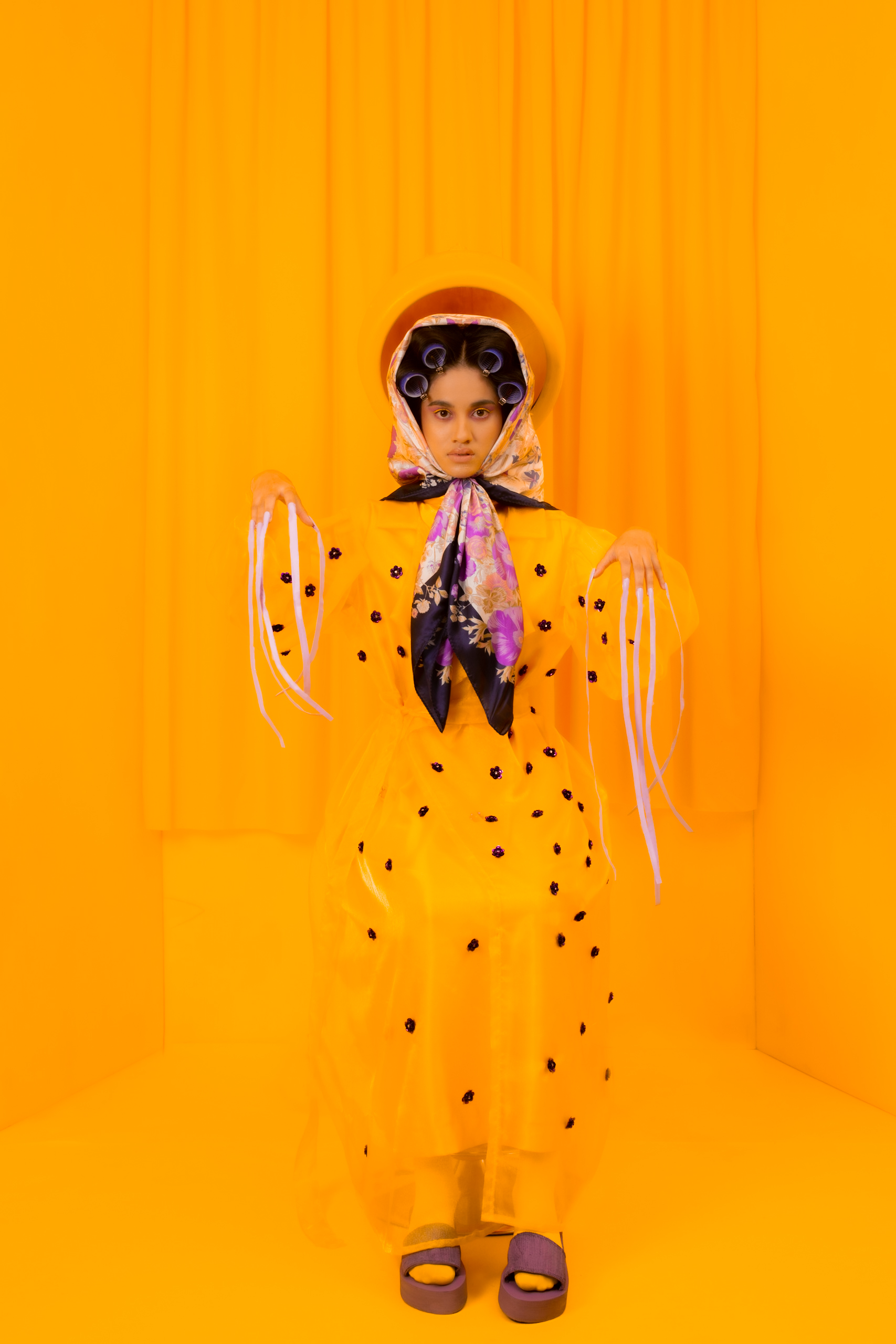
Even beautifying yourself has its complications. From grooming your hair to doing your nails can be perceived as a sinful act.
Hair salons in Singapore are nothing unordinary, but hijab-friendly salons that cater to hijabi women can be hard to come by. Although their hair might be hidden underneath the comforts of their hijab, they also struggle with hair concerns such as hair loss and oily scalps which requires TLC. These hijab-friendly salons may not be easily accessible to these women and some would rather go to a nearby salon that is convenient for them.
The question is: Would it be a sin to go to a nearby hair salon and expose one's hair, even if the intention is to care for their hair needs?